
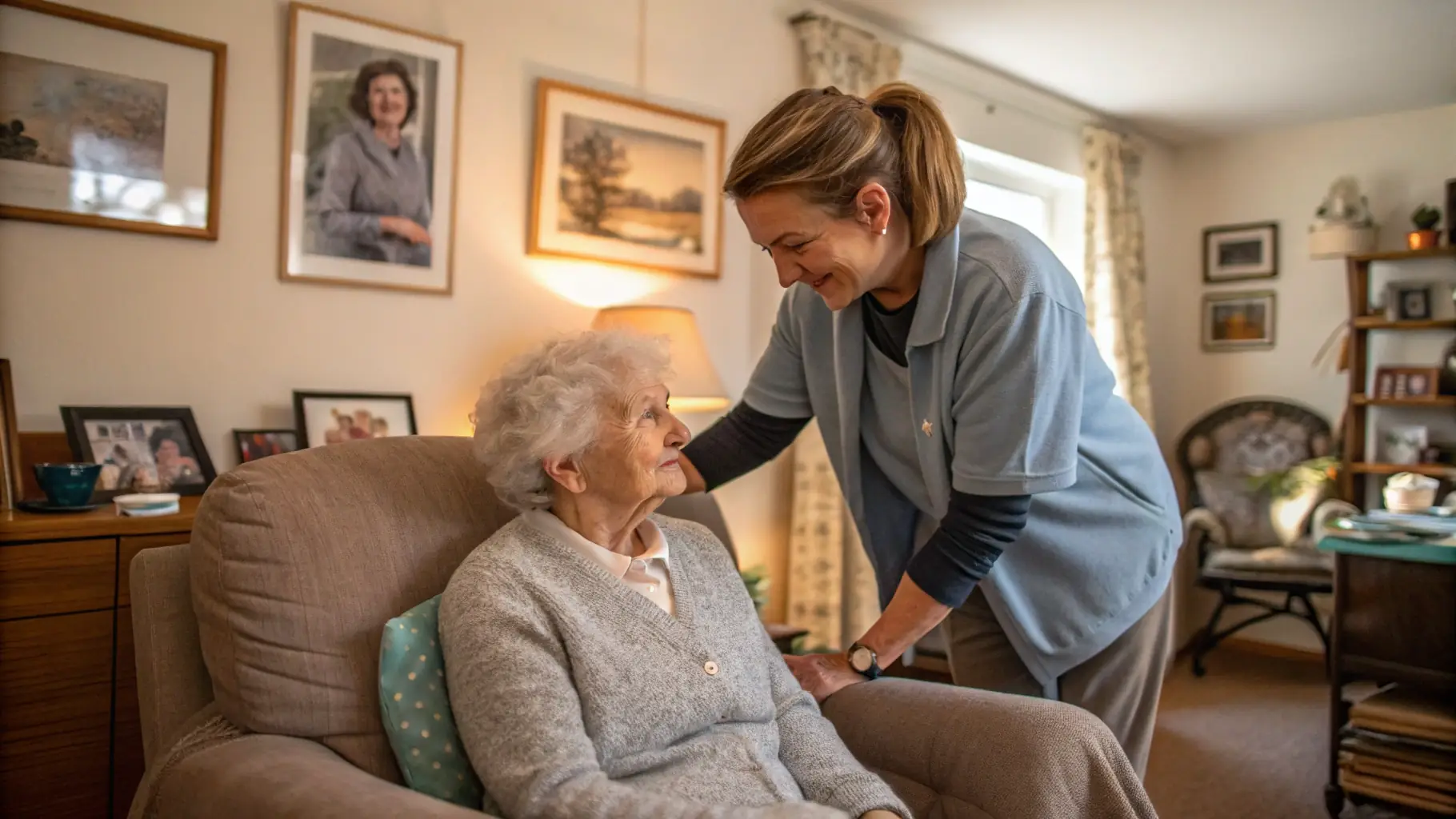
Trauma can significantly impact an individual’s physical, emotional, and mental well-being. Recognizing the profound effects of trauma is crucial for providing effective support and care. Trauma-informed care acknowledges the impact of past experiences and creates a safe and supportive environment for healing. This approach prioritizes the individual’s needs and empowers them to navigate their journey towards recovery. This article explores the principles of trauma-informed care, highlighting its importance in holistic healing. We’ll discuss the different types of trauma and how they can manifest in various ways. We’ll also explore the importance of creating a safe and supportive environment for healing. Understanding the impact of trauma is essential for providing effective support and care. Trauma-informed care is not just about addressing the symptoms of trauma; it’s about fostering resilience and empowering individuals to reclaim their lives. By understanding the impact of trauma and implementing trauma-informed practices, we can create a more compassionate and supportive environment for healing. This approach recognizes the strength and resilience inherent in individuals and empowers them to navigate their journey towards recovery.

Nourishing Your Body with Plant-Based Remedies
Discover the power of plant-based remedies and how they can support your overall health and